I will not rescue you, for you are not powerless
I will not fix you, for you are not broken
I will not heal you, for I see you in your wholeness
I will walk with you through the darkness, as you remember your light
~Sheree Bliss Tilsley~
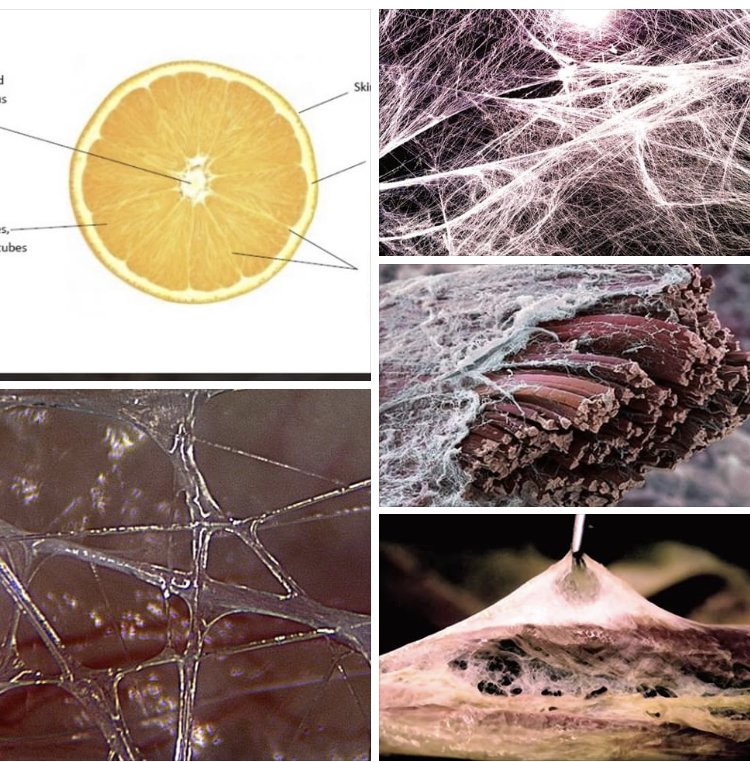
What is Fascia?
Fascia is a living, three-dimensional web that weaves through the entire body, from head to toe. It surrounds and connects everything—muscles, bones, nerves, and organs—reaching into every muscle fiber and down to the cellular level. Nothing in the body stands alone; everything is held in relationship through this continuous, intelligent network.
Fascia is often compared to a spider’s web, the threads of a sweater, or the delicate layers of an orange—thin, interconnected sheets that both separate and unite, creating a whole from many parts. A pull in one place can be felt in another, like a ripple traveling through the web.
When healthy, fascia is soft, fluid, and responsive—able to stretch, adapt, and move with ease. In this state, the body finds alignment, balance, and the freedom to function as it was designed.

Benefits of Myofascial Release
Improve structural and postural alignment
Increase flexibility and strength
Decrease pain
Increase body awareness
Increase ease of movement
Increase energy
Enhance quality of life
Feeling more balanced physically, emotionally and mentally
Conditions Myofascial Release May Help With
Myofascial Release Therapy can help relieve pain, restore mobility, and improve overall body function by addressing restrictions in the fascial system. Many clients seek treatment for the following conditions:
Chronic neck and back pain
Shoulder pain and restricted shoulder movement
Hip pain and pelvic imbalance
Sciatica and nerve compression symptoms
Headaches and migraines
TMJ (jaw pain and tension)
Fibromyalgia and widespread body pain
Sports injuries and repetitive strain injuries
Plantar fasciitis and foot pain
Carpal tunnel syndrome and wrist pain
Postural imbalances from prolonged sitting or computer work
Scar tissue and post-surgical restrictions
Limited flexibility or restricted movement
Stress-related tension in the body
Pain or discomfort that does not appear on X-rays or MRIs